
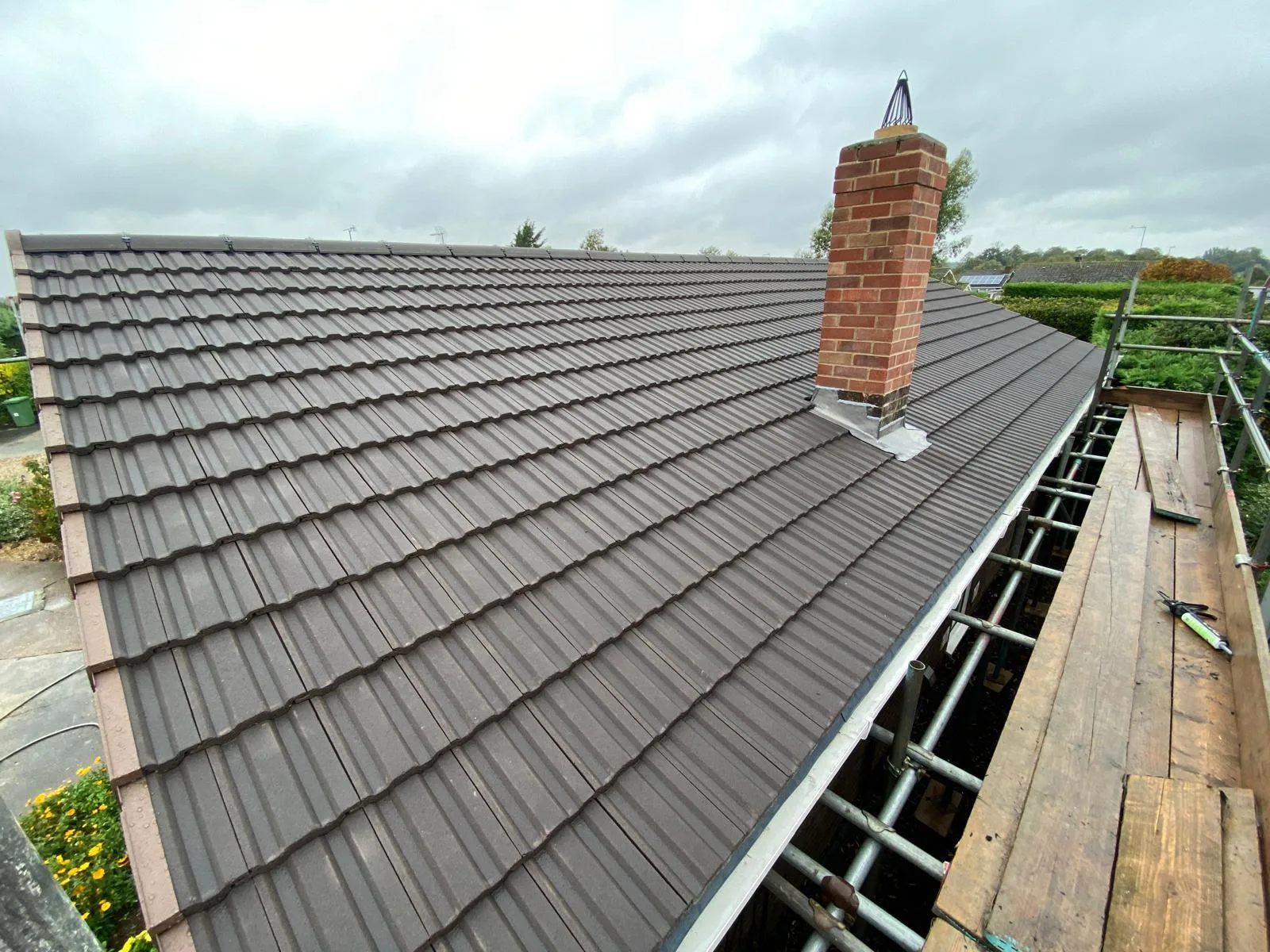
Norfolk
New roofs in Wells-next-the-Sea
Roof replacements across NR23, specified for salt and wind, with the access and any consent worked out at survey.
A roof in Wells does not usually wear out the way an inland roof does. The tiles or slates are often still sound. What goes first is everything holding them on: nails, clips and the lead at every junction, corroded by salt air years ahead of the same materials twenty miles south. By the time a roof here needs replacing, it is usually because the fixings and the felt have failed together across the whole slope, and repairs have started to cost more each winter than the last.
Tight streets and the quay
Much of the older town is brick and flint property packed closely around the quay and the yards behind it, and a lot of it is reached down a narrow lane. That shapes a re-roof before any tiles come off. Scaffold has to be designed for the plot, there may be nowhere for a skip, and a roof sharing a party wall with the house next door needs the neighbour spoken to first. We look at all of that at survey and it is in the written price, not added once we are on site.
Conservation area and listed buildings
Part of Wells is a conservation area, and Historic England lists 185 listed buildings in the parish. On those properties the first question is what you are allowed to put back, and usually the answer is like for like: clay pantile or natural slate rather than a concrete substitute. We establish the consent position with you before anything is ordered. Reclaimed pantile is often the right match on an older roof, and sound tiles from your own roof can be sorted and relaid where they are good enough.
Specified for the coast
A new roof here is fixed for exposure rather than for a sheltered street. That means dry ridge and dry verge instead of mortar that the wind will work loose, a breathable membrane under the covering, and lead flashings formed new rather than reused. Fixings that resist corrosion matter more on this coast than almost anywhere else in the county.
If you are not in Wells all year
More than one in five homes in Wells is a second home, according to North Norfolk District Council. If that is yours, we can survey without you there and send the photographs, and you get the quote, the progress and the finished job in writing and in pictures rather than having to stand in the garden and look up.
What is in the price
- A fixed written quote with the specification set out
- Timbers exposed, checked and repaired before the new covering goes on
- Breathable membrane, treated battens, dry ridge and dry verge
- All leadwork renewed while the scaffold is up
- Scaffold, disposal and clear up included
If the roof might only need a repair, see roof repairs in Wells-next-the-Sea. For the stacks, see chimney repairs in Wells, and there is more about the town on our Wells-next-the-Sea area page.
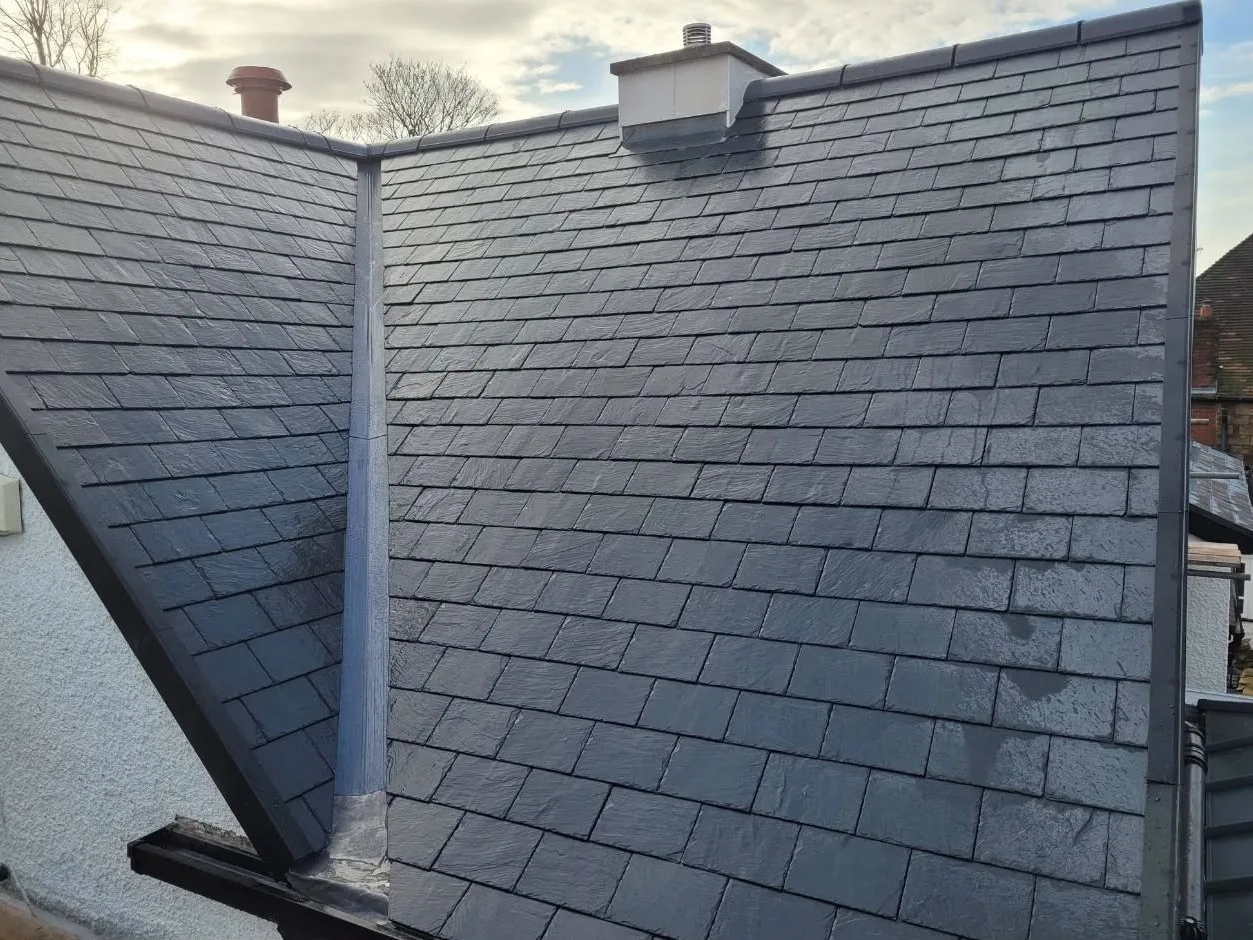
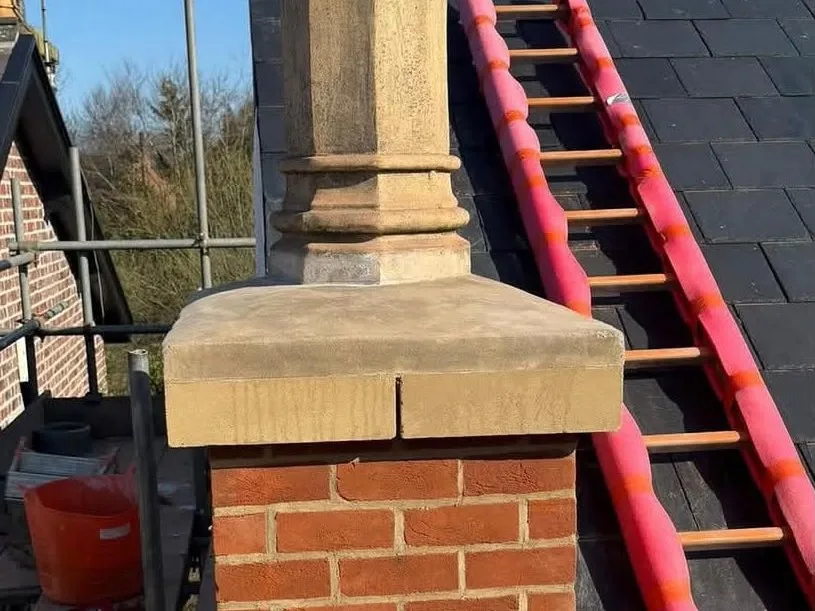
Recent work near Wells-next-the-Sea
View all projects →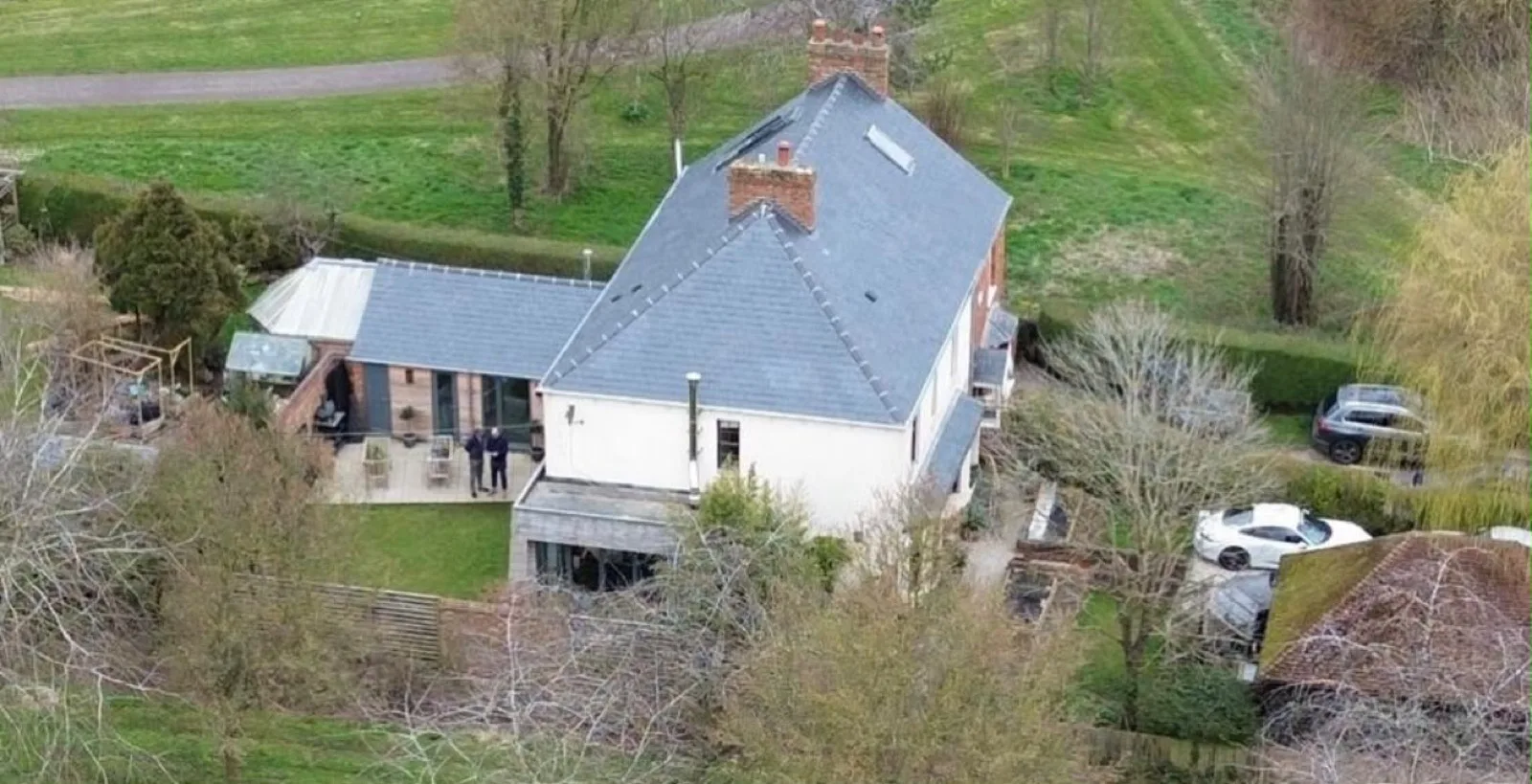
New roof installations in Wells-next-the-Sea: common questions
My house is in the Wells conservation area. What can I put on the roof?
Usually what came off, which on the older property means clay pantile or natural slate. Listed buildings need listed building consent for most roof work. We check the position with you at survey and before anything is ordered, so the job is not stopped halfway.
Can my old pantiles be reused?
Often some of them can. Clay pantile outlasts its fixings, so we sort the sound tiles as we strip and tell you how many are going back. Where more are needed, reclaimed pantile usually matches a weathered roof better than new.
I live away most of the year. Can you still do the job?
Yes. We can survey with access arranged through you or a key holder, and you get photographs of the roof before, during and after, with the quote and the finished work set out in writing.
Ready to get started?
Tell us about your project and we'll be in touch.